Wisconsin Invoice Factoring for Manufacturing and Packaging
When a Wisconsin packaging supplier faces a production bottleneck, the immediate pressure to secure working capital often leads owners to evaluate their existing sales ledger. An owner must decide if the current accounts receivable, inclusive of complex variables like scrap credits and net balances, can be converted into immediate cash to sustain operations without disrupting client relationships or compromising long-term growth.
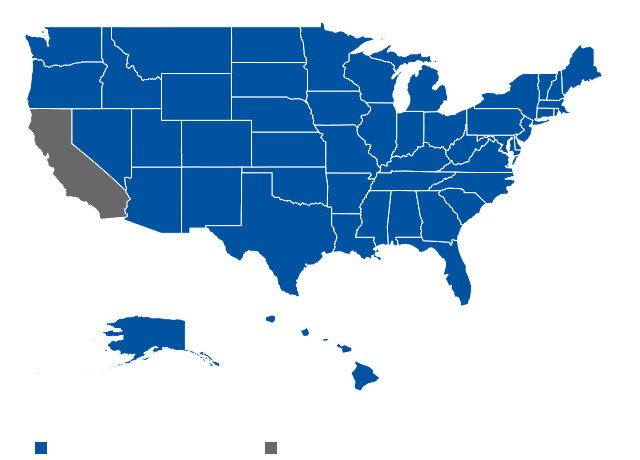

Over 30,000 Satisfied Clients!
Alliance One functions as a direct invoice factoring company based in New York, offering specialized services for businesses that require precise reconciliation of their commercial invoices. By examining the specific nature of completed and accepted deliveries, a manufacturer can determine whether factoring is a viable strategy to normalize cash flow and support ongoing operational requirements.
Evaluating Completed and Accepted Receivables
Invoice factoring fundamentally relies on the verification of completed and accepted work. For a packaging supplier, this means that only invoices representing goods that have been physically delivered and formally accepted by the customer qualify for the factoring process. Incomplete orders, disputed shipments, or products still in the manufacturing phase cannot be used as collateral.
A direct factoring partner requires clear evidence of the sale to proceed. This process involves reviewing the underlying purchase orders and proof-of-delivery documents to ensure the receivable is solid. Focusing on undisputed, fully accepted receivables allows the factor to provide funding based on verifiable commercial activity rather than projected earnings.
Navigating Buyer Identity and Payment History
The financial stability of the customer—the account debtor—is a primary consideration in the factoring review process. Since the factor will ultimately be awaiting payment from the customer, the reputation and creditworthiness of that buyer are paramount. In the Wisconsin manufacturing landscape, established commercial relationships are viewed favorably during this assessment.
The factoring process includes a due diligence phase regarding the identity and history of the buyer. This ensures that the receivables are likely to be collected within the anticipated timeframe. Understanding who is paying the invoice helps the factor assess the risk associated with the transaction, ensuring the alignment of payment terms with industry expectations.
Understanding Advance, Retention, and Settlement
Factoring is not a single lump-sum payout, but a multi-stage agreement involving an advance and a retained balance. Initially, the factor provides an advance based on the verified invoice amount. The remaining portion, often referred to as the reserve or retained balance, is held in trust to cover any potential adjustments, such as returns or agreed-upon credits.
Once the customer pays the full invoice amount to the factor, the retained balance is settled with the original supplier, minus the agreed-upon factoring fees. This structure ensures that both the factor and the manufacturer are protected against fluctuations in the final payment, particularly in industries where net balances are common.
Hypothetical Scenario: Balancing Credits and Production
Consider a packaging supplier that frequently manages complex client accounts involving both sales and industrial recycling credits. In this hypothetical situation, the supplier delivers a large batch of corrugated boxes to a local food processor. The gross invoice is substantial, but a prior agreement dictates that scrap material collected by the supplier will be credited back to the customer, resulting in a lower net receivable.
To obtain funding, the owner must submit documentation clearly separating the value of the accepted shipment from the agreed scrap credit. The factor reviews these records to establish the true, net balance that is available for factoring. By isolating the verified, undisputed net amount, the owner can successfully secure an advance to fund the next production run without relying on the customer to settle the remaining balance until the standard term expires.
This scenario is illustrative only. It is not a real client, and figures are not a quote or promise of terms.
Factoring Fees and Customer Communication
Transparency regarding factoring fees is essential for long-term planning. These costs, which cover the service of managing the collection process, are typically deducted during the final settlement phase. Manufacturers must factor these costs into their margins to ensure that selling their receivables remains a profitable decision.
Furthermore, the factor often assumes the role of managing the collection of the factored invoices. This requires clear communication protocols, ensuring that customers are aware of where to send payments. Maintaining a professional notification process prevents confusion and ensures that the client-supplier relationship remains intact throughout the term of the factoring arrangement.
Addressing Existing Financing and Assignment Rights
Many businesses operate under existing credit lines or commercial loan agreements. Before engaging a factor, an owner must verify their current contract terms regarding the assignment of receivables. If the company’s assets are already pledged as collateral to a bank, the factor may require a subordination agreement or a release of interest before funding can occur.
Understanding these legal rights is crucial to avoid conflicts between multiple creditors. A direct factoring company like Alliance One works to ensure that the process of assigning receivables is handled correctly and in accordance with the existing contractual obligations, preventing any unintended breaches of previous financial arrangements.
Relevant services for Wisconsin businesses
Factoring for Wisconsin businesses
Share a few details about your company and invoices. We will confirm eligibility and walk you through next steps.
Frequently asked questions
How does an agreed scrap or recycling credit affect a packaging invoice?
An agreed scrap or recycling credit reduces the net value of the invoice that the factor can finance. Because the credit represents a deduction from the gross amount owed by the customer, only the final net amount—the amount the customer is actually expected to pay—is eligible for the advance.
Which delivered-goods records establish the net commercial balance?
To establish the net commercial balance, the supplier must provide the original purchase order, the shipping manifest, proof-of-delivery receipts, and the specific ledger entry documenting the agreed-upon credit. These records must reconcile to show the exact dollar amount that remains due from the customer after all credits are applied.
Can a supplier count returned packaging as an unpaid accepted shipment?
No, returned packaging cannot be counted as an unpaid accepted shipment. Factoring is designed for receivables associated with goods that have been successfully accepted by the buyer. Returned goods imply that the original sale was contested or failed, rendering that specific invoice ineligible for financing.
How should an owner plan the next run using only reconciled receivables?
An owner should plan production based solely on the net amounts successfully verified by the factor. By excluding pending adjustments, disputed amounts, or anticipated credits, the owner ensures that the cash advance received is sufficient to cover the costs of the next production run without relying on uncertain future collections.
Sources
State economic context above is drawn from the official sources below. Examples labeled hypothetical are not source-backed.
- Wisconsin Economic Development Corporation — Green Bay Packaging (opens in a new tab)
WEDC profiles paper and packaging manufacturing in Wisconsin through its Green Bay Packaging case study. Reviewed October 15, 2026. Invoice scenarios and operational questions are educational illustrations, not state payment-law claims or automatic financing eligibility.