Nevada Manufacturing and Distribution Invoice Factoring
When a Nevada-based manufacturing firm secures a significant configured-equipment order, the business owner often faces a complex choice regarding immediate working capital. While the excitement of a new contract is tangible, the gap between beginning production and receiving customer payment can strain resources. Evaluating whether to leverage invoice factoring becomes a strategic decision, requiring an owner to balance the immediate need for liquid cash against the necessity of maintaining long-term healthy customer relationships.
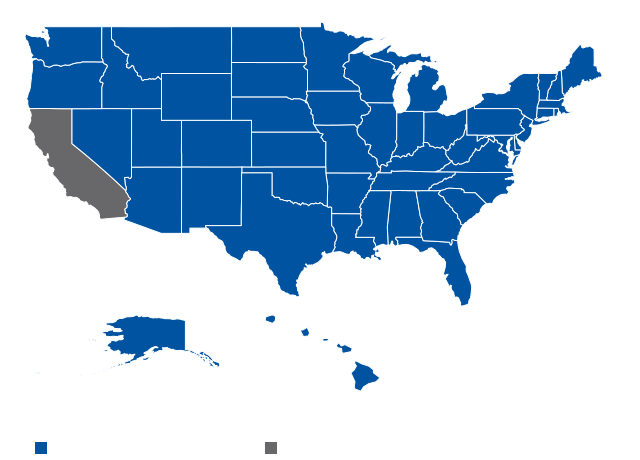

Over 30,000 Satisfied Clients!
This guide explores the nuances of managing receivables for complex equipment orders within the context of Nevada's advanced manufacturing and logistics landscape. Because factoring relies on the integrity of the invoice itself, understanding the distinction between earned revenue and unearned deposits is critical. Making an informed decision requires a disciplined review of what constitutes a valid, billable transaction versus speculative future income.
Defining Valid Receivables in Manufacturing
Invoice factoring involves selling verified, completed invoices to a direct provider like Alliance One. In the manufacturing sector, a receivable is only considered eligible for factoring when the goods have been fully delivered or the services have been rendered in accordance with the contract terms. You must document proof of delivery or receipt to establish that the obligation to pay has passed to your customer.
Crucially, items that are works-in-progress or unperformed services do not meet the criteria for standard invoice factoring. Because factoring acts as an advance on existing debts, any ambiguity regarding the finality of the work can prevent a successful transaction. Before submitting an invoice, verify that all conditions for payment have been met, ensuring the invoice is clean and free of disputes.
Configured Equipment and Billable Milestones
Configured equipment orders often involve phased billing. For an invoice to be considered a billable receivable, the specific components or systems must be fully assembled and accepted by the client. Simply having a purchase order in hand is insufficient, as the obligation to pay typically triggers only upon the transfer of possession or the completion of a defined project milestone.
Business owners should review their contracts to determine exactly when the right to payment arises. If your agreement allows for partial invoicing upon delivery of specific modules, then those modules become valid assets for factoring. However, you must avoid the common pitfall of attempting to factor total project value before each discrete segment has reached the contractually required stage for billing.
Accounting for Deposits and Unfinished Work
Client deposits represent a liability rather than an asset until the work is finished. In the context of Nevada manufacturing, where specialized industrial infrastructure projects are common, receiving a deposit for an installation that has not yet occurred creates an accounting complication. This capital cannot be factored because it is not a debt owed to the supplier; rather, it is a prepayment for future work.
To maintain eligibility for future factoring, you must clearly distinguish between cash received for work performed and deposits intended for future installations. Proper bookkeeping ensures that your receivables ledger reflects actual earnings, allowing a direct factor to verify the stability of your cash flow without the interference of unearned, refundable deposits.
Hypothetical Scenario: Balancing Equipment Deliverables
Consider a Nevada supplier that has secured a contract for a specialized industrial assembly line. The contract specifies a milestone payment upon delivery of the machinery and a final payment after 30 days of testing. The supplier receives a large deposit at signing, which is designated for the installation and calibration phase yet to come.
In this situation, the supplier cannot factor the initial deposit because it is tied to unfinished work and remains a liability. However, once the equipment is delivered and the documentation confirms transfer, that specific milestone invoice becomes a prime candidate for factoring. By isolating the billable delivery invoice from the unearned deposit, the supplier successfully generates liquidity for payroll and materials while satisfying the requirements of their factoring partner.
This scenario is illustrative only. It is not a real client, and figures are not a quote or promise of terms.
Customer Acceptance and Performance Testing
In many equipment-heavy industries, final payment is contingent upon successful customer testing or acceptance. Until this testing period concludes and the customer formally signs off on the quality and functionality of the equipment, the invoice remains conditional. Direct factors prioritize invoices that are beyond dispute, meaning the customer’s internal testing process must be completed before the receivable is considered 'live.'
If your contracts include extended testing phases, ensure your accounting department tracks these sign-offs meticulously. Providing a signed acceptance certificate along with your invoice reduces the time required for verification and confirms that the customer has no outstanding objections, thereby increasing the likelihood that the invoice will be accepted by your factoring provider.
Navigating Existing Financing and Assignments
Before entering a factoring agreement, you must review existing financing arrangements, particularly those involving asset-based lending or bank lines of credit. Often, these agreements include 'negative pledge' clauses or blanket liens on your receivables. Understanding these legal limitations is a prerequisite to assigning your invoices to a third-party factor.
If you have an existing financier, you may need a subordination agreement or a release of interest for the specific invoices you wish to factor. Transparency with all parties regarding the assignment of your receivables is vital to avoid breach of contract. A reputable direct factor will work with you to clarify these rights, provided the path to clear title on the invoice is legally documented.
Relevant services for Nevada businesses
Factoring for Nevada businesses
Share a few details about your company and invoices. We will confirm eligibility and walk you through next steps.
Frequently asked questions
Is a deposit for an unfinished installation an accepted receivable?
No. A deposit for an unfinished installation is considered unearned revenue or a liability, not an accounts receivable. Factoring is designed for finished, verified work where the obligation to pay is already established; deposits do not represent completed exchanges of goods or services.
Which configured-equipment amounts have actually become billable?
Only the portions of an order that have been physically delivered or have reached a contractually verified milestone are billable. Amounts associated with components still in production or pending assembly are not considered billable and cannot be factored until the work is finalized and documented.
How should a supplier explain customer testing before final acceptance?
A supplier should view customer testing as a condition precedent to payment. You must ensure your records include signed acceptance documents confirming that the testing period is complete. Until the customer has formally accepted the equipment following testing, the invoice remains conditional and is generally not eligible for factoring.
Can future service commitments be combined with completed product invoices?
No. Future service commitments should be invoiced separately from completed product sales. Combining them creates a 'bundled' invoice that may be disputed or rejected by a factor because the service portion has not yet been performed. Maintaining separate invoices for distinct deliverables ensures the completed product portion remains eligible for funding.
Sources
State economic context above is drawn from the official sources below. Examples labeled hypothetical are not source-backed.
- Nevada Governor’s Office of Economic Development (GOED), Doing Business In Nevada (opens in a new tab)
Nevada GOED’s industry overview includes advanced manufacturing and logistics, alongside specialized industrial infrastructure. Reviewed October 15, 2026. Invoice scenarios and operational questions are educational illustrations, not state payment-law claims or automatic financing eligibility.