Michigan Automotive Manufacturing Invoice Factoring
An automotive component manufacturer in Michigan faces the specific pressure of aligning daily production cycles with large-scale customer payment schedules. When a supplier receives a high-volume production release, the challenge is not simply waiting for payment, but ensuring that capital remains liquid to fund immediate raw material needs and labor costs associated with that specific order.
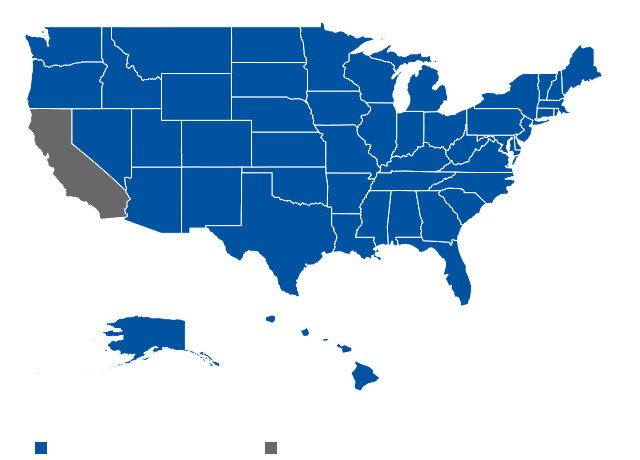

Over 30,000 Satisfied Clients!
Deciding to factor invoices requires an owner to distinguish between immediate, verifiable production revenue and long-term project milestones like tooling reimbursements. By choosing a direct partner like Alliance One, a Michigan manufacturer ensures that their receivable strategy is built on clear documentation and reliable acceptance of delivered parts, rather than relying on projected future demand.
Verified Invoices and Production Releases
In the Michigan automotive sector, invoice factoring is strictly applied to completed and accepted work. A factoring agreement focuses on the physical delivery of parts, supported by documents that prove the buyer has acknowledged receipt. This ensures that the capital provided is backed by an earned asset rather than an anticipated one.
Suppliers must ensure their internal documentation matches the purchase order or current production release. If the quantity on the delivery receipt deviates from the release, the invoice becomes ineligible for factoring until the discrepancy is resolved. Maintaining this alignment is critical for the speed of funding.
Understanding Buyer Identity and Credit Review
The effectiveness of a factoring arrangement relies on the financial strength of the automotive OEM or tier-one buyer. Alliance One conducts a review of the customer's payment history to determine the viability of factoring specific invoices, as the buyer is ultimately responsible for remitting payment once the invoice is accepted.
Because factoring involves the transfer of the invoice, the buyer is typically notified to ensure payments are directed correctly. This process requires a transparent relationship between the manufacturer and the customer, ensuring that the assignment of rights for the invoice payment is fully recognized and compliant with contractual obligations.
Managing Advances and Retained Balances
Factoring agreements generally function by providing an initial advance on the total invoice amount once verification is complete. The remaining balance, often called the reserve or retainer, is held back by the factoring company until the customer pays the invoice in full, covering fees and potential adjustments.
These structures are highly dependent on the terms of the specific agreement. Manufacturers must be prepared for these retentions, as they protect the factoring company against unforeseen credit issues or disputes between the supplier and the customer. Once the customer settles the invoice, the remaining balance is released to the manufacturer, minus the service fee.
Hypothetical Automotive Manufacturing Case
Consider a Michigan-based supplier that receives a purchase order for a new series of electric vehicle components. The company completes the initial production run and submits the delivery documentation to the automotive OEM, which is then verified. This completed, accepted production release is eligible for immediate factoring, providing the supplier with the cash flow needed to secure raw materials for the next production cycle.
Simultaneously, the supplier is working on specialized tooling required for the assembly line, which is still in the engineering validation phase and has not been approved for final payment. The manufacturer correctly separates the accepted production invoices from the pending tooling costs, factoring only the verified invoices to maintain their credit facility's integrity and compliance with Alliance One’s verification standards.
This scenario is illustrative only. It is not a real client, and figures are not a quote or promise of terms.
The Role of Fees and Collections
The cost of factoring is based on the duration the invoice remains outstanding. Because automotive production runs involve distinct payment cycles, manufacturers must account for these service fees within their profit margins on each part. These fees are essentially the price of accelerating capital that would otherwise be tied up in 30, 60, or 90-day payment terms.
Effective collections management is a hallmark of a professional direct factor. Alliance One manages the interface with the automotive buyer to secure timely payments, which simplifies the manufacturer's back-office duties. This allows the business owner to focus on production uptime rather than tracking down payments from large, busy purchasing departments.
Existing Financing and Assignment Rights
Before engaging in factoring, a manufacturer must review any existing bank agreements or senior liens on their assets. Most bank loans include covenants that prevent the sale or assignment of receivables to third parties. If a blanket lien exists, the manufacturer may need to obtain a waiver or a subordination agreement from their primary lender.
Establishing clear assignment rights is a foundational step in the factoring process. Alliance One assists manufacturers in navigating these legal requirements to ensure that the factoring agreement is properly positioned. Without this clarity, a manufacturer risks violating existing loan terms, which could lead to complications with their primary financial institutions.
Relevant services for Michigan businesses
Factoring for Michigan businesses
Share a few details about your company and invoices. We will confirm eligibility and walk you through next steps.
Frequently asked questions
Does a blanket vehicle-parts order establish an earned receivable?
No. A blanket order is typically a long-term agreement that dictates the terms of future purchases but does not constitute an earned receivable. Revenue is only earned when specific parts are manufactured, delivered, and accepted by the buyer.
How are tooling reimbursements different from accepted production invoices?
Tooling reimbursements are often tied to project milestones or engineering approvals rather than daily volume. Because they are not standard production invoices, they are frequently subject to longer approval cycles and disputed terms, making them generally unsuitable for immediate invoice factoring.
What changes when a buyer revises its production release?
When a buyer revises a release, the existing invoice amount may no longer match the purchase order requirements. This discrepancy must be rectified with an updated, approved invoice before a factoring company can proceed with funding, as the original documentation is effectively invalidated by the change.
Which delivery and acceptance records help reconcile component quantities?
Essential records include signed Bills of Lading, electronic Data Interchange (EDI) confirmations, and formal Proof of Delivery (POD) documents. These records verify that the physical goods reached the destination and that the customer accepted the specific quantities, serving as the required proof for the factoring process.
Sources
State economic context above is drawn from the official sources below. Examples labeled hypothetical are not source-backed.
- Michigan Department of Labor and Economic Opportunity, 'Michigan’s manufacturing industry fuels career and economic growth' (opens in a new tab)
Michigan LEO’s manufacturing overview describes traditional automotive and electric-vehicle production. Reviewed October 15, 2026. Invoice scenarios and operational questions are educational illustrations, not state payment-law claims or automatic financing eligibility.